The Great Dispersion: AI Will Scatter Programmers, Not Eliminate Them
Published:
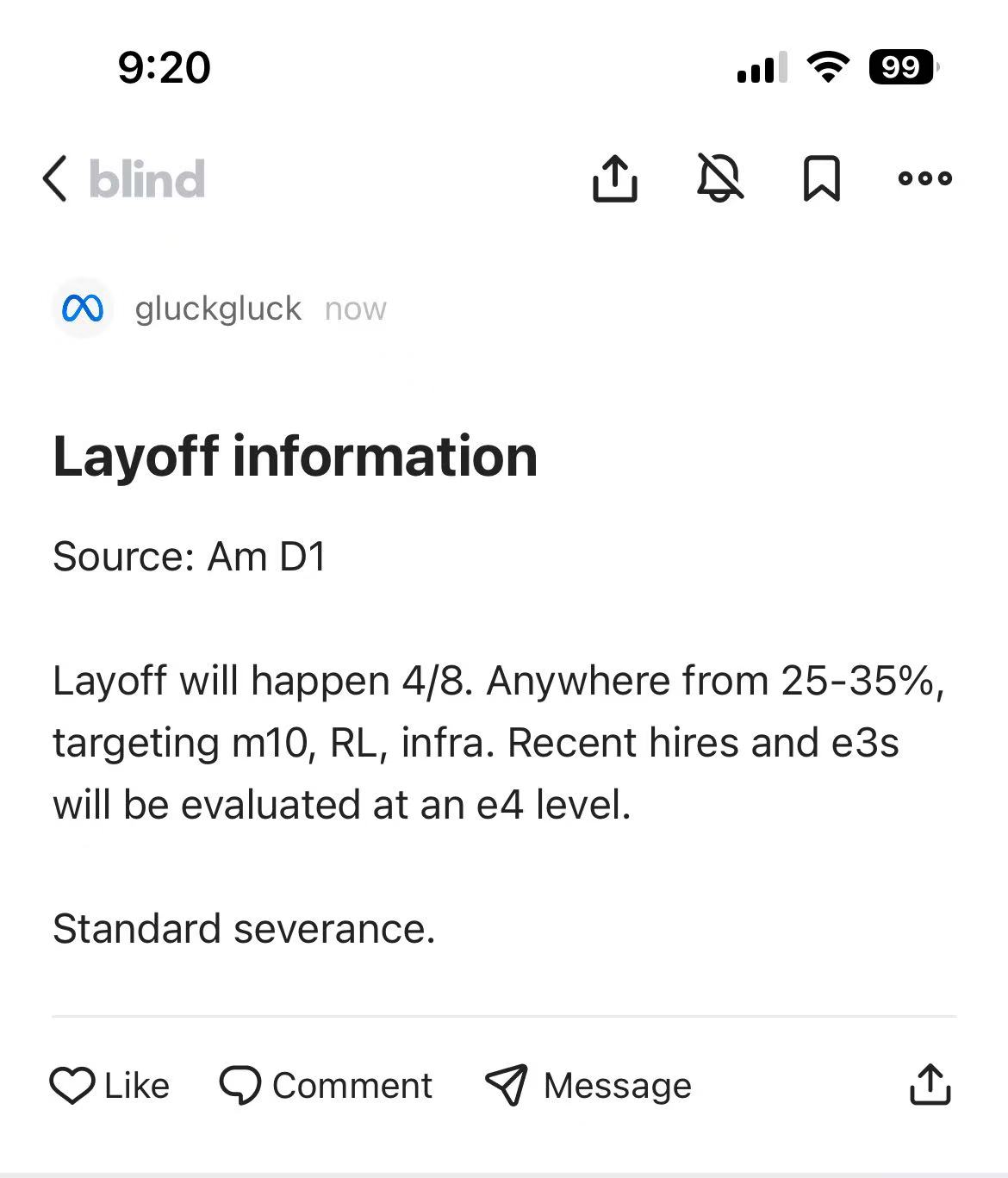
Another round of layoff rumors from Meta — 25–35% cuts targeting infra, RL, and M10, with E3s re-evaluated at E4 standards. Unverified, but the pattern across Big Tech is unmistakable.
Are programmers going extinct? No. But the profession is about to be restructured.
Layoffs Are a Big-Company Story
This is not the death of software engineering — it is the end of hyper-concentration. For two decades, engineers piled into a handful of companies chasing $300K+ TC and FAANG prestige. These companies hired far beyond actual need because hoarding talent was itself a strategy.
Now AI changes the math. 10 engineers with Claude Code can do what 30–50 did before. Big Tech is overstaffed, and they know it.
But the world has more software problems, not fewer. The gap is at the millions of SMBs that always needed custom software but could never afford an engineering team.
From Concentration to Dispersion
Big Tech shrinks. The remaining engineers will be senior, productive, and AI-augmented. Mass new-grad hiring for internal tooling is over.
SMBs gain access. One developer with Claude Code can now build what used to require a small team. A logistics company, a hospital, a manufacturer — they can finally afford one or two engineers for custom solutions. I built GuardClaw — a full-stack AI safety monitor with a native macOS app, React dashboard, and real-time agent interception — largely solo with AI-assisted coding. A project like this would have needed a small team not long ago.
But they still need someone. AI tools are powerful, not autonomous. You still need a human who understands requirements, architecture, security, and deployment. A business owner cannot just say “build me an ERP” and get a production system. They need a professional who knows what to ask and how to validate.
The aggregate math works. Each SMB needs 1–3 engineers, not 20. But millions of SMBs with zero engineering capability times one or two hires each = enormous distributed demand.
Mean Reversion
Engineers concentrated in a few companies → salaries bid to irrational levels. Engineers spread across thousands of employers → compensation normalizes. Not poorly paid — just no longer an anomalous outlier. More like electrical or civil engineering: respected, well-compensated, distributed.
The Wheel of History
Power tools didn’t eliminate carpenters — they made carpentry accessible to smaller shops. Accounting software didn’t eliminate accountants — it redistributed them.
AI will do the same to software engineering. The hyper-concentration in Big Tech was a historical anomaly. The programmers who thrive will be those who adapt to AI tools, who can be the sole engineer at a company, and who translate business needs into solutions without three layers of management.
This is not the end of programming. It is the end of programming as a gold rush. What follows is not abandonment — it is settlement.
又一轮 Meta 裁员传闻——基础设施、强化学习和 M10 部门预计裁减 25–35%,E3 级别将按 E4 标准重新评估。虽未经证实,但 Big Tech 整体的趋势已经不容忽视。
程序员要灭绝了吗?不会。但这个职业即将被重新洗牌。
裁员是大公司的故事
这不是软件工程的终结——而是过度集中的终结。过去二十年,工程师们涌入少数几家公司,追逐 $300K+ 的 TC 和 FAANG 的光环。这些公司远超实际需求地大量招人,因为囤积人才本身就是一种战略。
现在 AI 改变了这个算式。10 个用 Claude Code 的工程师能完成过去 30–50 人的工作量。Big Tech 人员过剩,他们自己心知肚明。
但世界上的软件需求更多了,而不是更少。缺口在于数以百万计的中小企业——它们一直需要定制软件,却从来负担不起一个工程团队。
从集中到分散
Big Tech 收缩。留下来的工程师将是资深的、高产的、AI 加持的。面向应届生的大规模内部工具岗招聘已经结束了。
中小企业获得机会。一个开发者借助 Claude Code 就能构建过去需要一个小团队才能完成的东西。物流公司、医院、制造企业——它们终于能雇得起一两个工程师来做定制化方案了。我独立开发了 GuardClaw——一个包含原生 macOS 应用、React 仪表盘和实时 Agent 拦截功能的全栈 AI 安全监控系统——主要依靠 AI 辅助编程独自完成。这样的项目在不久前还需要一个小团队。
但他们仍然需要人。AI 工具很强大,但并非自主运行。你仍然需要一个理解需求、架构、安全和部署的人。企业老板不能简单地说”给我做一个 ERP”就得到一个生产级系统。他们需要一个知道该问什么问题、如何验证结果的专业人士。
总量算术成立。每家中小企业只需要 1–3 个工程师,而不是 20 个。但数百万零工程能力的中小企业,每家雇一两个人 = 巨大的分布式需求。
均值回归
工程师集中在少数公司 → 薪资被推高到非理性水平。工程师分散到成千上万的雇主 → 薪资回归正常。不是低薪——只是不再是异常的离群值。更像电气工程或土木工程:受尊重、薪资可观、广泛分布。
历史的车轮
电动工具没有消灭木匠——而是让小作坊也能做木工活。会计软件没有消灭会计师——而是重新分配了他们。
AI 对软件工程也会如此。Big Tech 的超级集中是一个历史异常。能够蓬勃发展的程序员,将是那些适应 AI 工具的人、能够成为一家公司唯一工程师的人、能够在没有三层管理架构的情况下将业务需求转化为解决方案的人。
这不是编程的终结。这是编程作为淘金热的终结。接下来的不是荒废——而是扎根。
Meta からまた新たなレイオフの噂が流れている——インフラ、強化学習、M10 部門で 25–35% の削減が見込まれ、E3 は E4 基準で再評価されるという。未確認ではあるが、Big Tech 全体の傾向は明白だ。
プログラマーは絶滅するのか?いいえ。しかし、この職業は再編されようとしている。
レイオフは大企業の話
これはソフトウェアエンジニアリングの終焉ではない——過度な集中の終焉だ。過去20年間、エンジニアたちは $300K+ の TC と FAANG のブランドを求めて、少数の企業に殺到した。これらの企業は、人材の囲い込み自体が戦略だったため、実際の必要性をはるかに超えて採用していた。
今、AI がその計算式を変えている。Claude Code を使う10人のエンジニアが、以前の30–50人分の仕事をこなせる。Big Tech は人員過剰であり、彼ら自身がそれを分かっている。
しかし、世界のソフトウェア課題は増えており、減ってはいない。ギャップがあるのは、カスタムソフトウェアを常に必要としながらもエンジニアリングチームを雇う余裕がなかった何百万もの中小企業だ。
集中から分散へ
Big Tech は縮小する。残るエンジニアはシニアで、生産性が高く、AI で強化された人材だ。社内ツール向けの新卒大量採用は終わった。
中小企業がアクセスを得る。Claude Code を使う一人の開発者が、以前は小さなチームを必要としたものを構築できるようになった。物流会社、病院、メーカー——彼らはようやくカスタムソリューションのために一人か二人のエンジニアを雇える余裕が出てきた。私は GuardClaw を開発した——ネイティブ macOS アプリ、React ダッシュボード、リアルタイムエージェント傍受機能を備えたフルスタック AI 安全モニターで、AI 支援コーディングを活用してほぼ一人で作り上げた。このようなプロジェクトは、少し前なら小さなチームが必要だっただろう。
しかし、それでも誰かは必要だ。AI ツールは強力だが、自律的ではない。要件、アーキテクチャ、セキュリティ、デプロイメントを理解する人間が依然として必要だ。経営者が「ERP を作ってくれ」と言うだけで本番システムが手に入るわけではない。何を聞くべきか、どう検証すべきかを知っているプロフェッショナルが必要なのだ。
総量の計算は成り立つ。各中小企業に必要なのは1–3人のエンジニアであり、20人ではない。しかし、エンジニアリング能力ゼロの何百万もの中小企業が一人か二人ずつ雇えば = 膨大な分散需要になる。
平均回帰
エンジニアが少数の企業に集中 → 給与が非合理な水準まで競り上がる。エンジニアが何千もの雇用主に分散 → 報酬が正常化する。低賃金ではない——ただ、異常な外れ値ではなくなるだけだ。電気工学や土木工学のように:尊敬され、十分な報酬があり、広く分散している。
歴史の歯車
電動工具は大工を排除しなかった——小さな工房でも木工ができるようにした。会計ソフトは会計士を排除しなかった——再配置しただけだ。
AI はソフトウェアエンジニアリングに対しても同じことをする。Big Tech への超集中は歴史的な異常だった。成功するプログラマーは、AI ツールに適応し、企業で唯一のエンジニアになれる人、三層の管理構造なしにビジネスニーズをソリューションに変換できる人だ。
これはプログラミングの終わりではない。ゴールドラッシュとしてのプログラミングの終わりだ。続くのは放棄ではなく——定住だ。
Meta에서 또 한 차례 해고 소문이 돌고 있다 — 인프라, 강화학습, M10 부서에서 25–35% 감축이 예상되며, E3는 E4 기준으로 재평가된다고 한다. 확인되지는 않았지만, Big Tech 전반의 패턴은 분명하다.
프로그래머가 멸종할까? 아니다. 하지만 이 직업은 곧 재편될 것이다.
해고는 대기업의 이야기다
이것은 소프트웨어 엔지니어링의 종말이 아니라 — 과도한 집중의 종말이다. 지난 20년간 엔지니어들은 $300K+ TC와 FAANG의 명성을 좇아 소수의 기업에 몰려들었다. 이 기업들은 인재 비축 자체가 전략이었기에 실제 필요를 훨씬 넘어서 채용했다.
이제 AI가 그 셈법을 바꾸고 있다. Claude Code를 쓰는 엔지니어 10명이 이전의 30–50명이 하던 일을 해낸다. Big Tech는 인력 과잉이고, 그들 스스로도 알고 있다.
하지만 세상의 소프트웨어 문제는 더 많아졌지, 줄지 않았다. 격차는 항상 맞춤형 소프트웨어가 필요했지만 엔지니어링 팀을 감당할 수 없었던 수백만 중소기업에 있다.
집중에서 분산으로
Big Tech는 축소된다. 남는 엔지니어는 시니어이고, 생산성이 높으며, AI로 강화된 인력이다. 내부 도구를 위한 신입 대규모 채용은 끝났다.
중소기업이 접근권을 얻는다. Claude Code를 사용하는 개발자 한 명이 이전에 소규모 팀이 필요했던 것을 구축할 수 있다. 물류 회사, 병원, 제조업체 — 드디어 맞춤 솔루션을 위해 한두 명의 엔지니어를 고용할 여유가 생겼다. 나는 GuardClaw를 만들었다 — 네이티브 macOS 앱, React 대시보드, 실시간 에이전트 차단 기능을 갖춘 풀스택 AI 안전 모니터로, AI 지원 코딩을 활용해 거의 혼자 완성했다. 이런 프로젝트는 얼마 전까지만 해도 소규모 팀이 필요했을 것이다.
하지만 여전히 누군가는 필요하다. AI 도구는 강력하지만 자율적이지는 않다. 요구사항, 아키텍처, 보안, 배포를 이해하는 사람이 여전히 필요하다. 사업주가 “ERP 만들어줘”라고 말하는 것만으로 프로덕션 시스템이 나오지 않는다. 무엇을 물어야 하고 어떻게 검증해야 하는지 아는 전문가가 필요하다.
총량 산수는 맞다. 각 중소기업에 필요한 건 1–3명의 엔지니어이지, 20명이 아니다. 하지만 엔지니어링 역량이 전무한 수백만 중소기업이 한두 명씩 고용하면 = 거대한 분산 수요가 된다.
평균 회귀
엔지니어가 소수 기업에 집중 → 연봉이 비합리적 수준으로 치솟는다. 엔지니어가 수천 고용주에 분산 → 보상이 정상화된다. 저임금이 아니라 — 더 이상 비정상적인 이상치가 아닐 뿐이다. 전기공학이나 토목공학처럼: 존중받고, 충분한 보상을 받으며, 널리 분포한다.
역사의 수레바퀴
전동 공구는 목수를 없애지 않았다 — 작은 공방에서도 목공을 할 수 있게 만들었다. 회계 소프트웨어는 회계사를 없애지 않았다 — 재배치했을 뿐이다.
AI도 소프트웨어 엔지니어링에 같은 일을 할 것이다. Big Tech에의 초집중은 역사적 이례였다. 번성할 프로그래머는 AI 도구에 적응하는 사람, 회사의 유일한 엔지니어가 될 수 있는 사람, 세 겹의 관리 구조 없이 비즈니스 요구를 솔루션으로 전환할 수 있는 사람이다.
이것은 프로그래밍의 끝이 아니다. 골드러시로서의 프로그래밍의 끝이다. 뒤따르는 것은 포기가 아니라 — 정착이다.
Otra ronda de rumores de despidos en Meta — recortes del 25–35% en infraestructura, RL y M10, con los E3 reevaluados según estándares de E4. Sin verificar, pero el patrón en todo Big Tech es inconfundible.
Se van a extinguir los programadores? No. Pero la profesion esta a punto de ser reestructurada.
Los despidos son una historia de grandes empresas
Esto no es la muerte de la ingenieria de software — es el fin de la hiperconcentracion. Durante dos decadas, los ingenieros se amontonaron en un punado de empresas persiguiendo TC de $300K+ y el prestigio de FAANG. Estas empresas contrataron mucho mas alla de la necesidad real porque acaparar talento era en si mismo una estrategia.
Ahora la IA cambia la ecuacion. 10 ingenieros con Claude Code pueden hacer lo que antes hacian 30–50. Big Tech tiene exceso de personal, y lo saben.
Pero el mundo tiene mas problemas de software, no menos. La brecha esta en los millones de pymes que siempre necesitaron software personalizado pero nunca pudieron permitirse un equipo de ingenieria.
De la concentracion a la dispersion
Big Tech se reduce. Los ingenieros que queden seran senior, productivos y potenciados por IA. La contratacion masiva de recien graduados para herramientas internas se acabo.
Las pymes obtienen acceso. Un desarrollador con Claude Code ahora puede construir lo que antes requeria un equipo pequeno. Una empresa de logistica, un hospital, un fabricante — por fin pueden permitirse uno o dos ingenieros para soluciones personalizadas. Yo construi GuardClaw — un monitor de seguridad de IA full-stack con una aplicacion nativa de macOS, un dashboard en React e intercepcion de agentes en tiempo real — en gran parte en solitario con programacion asistida por IA. Un proyecto como este habria necesitado un equipo pequeno no hace mucho.
Pero aun necesitan a alguien. Las herramientas de IA son poderosas, no autonomas. Aun se necesita un humano que entienda requisitos, arquitectura, seguridad y despliegue. El dueno de un negocio no puede simplemente decir “construyeme un ERP” y obtener un sistema en produccion. Necesitan un profesional que sepa que preguntar y como validar.
La matematica agregada funciona. Cada pyme necesita 1–3 ingenieros, no 20. Pero millones de pymes con cero capacidad de ingenieria multiplicados por una o dos contrataciones cada una = enorme demanda distribuida.
Reversion a la media
Ingenieros concentrados en pocas empresas → salarios inflados a niveles irracionales. Ingenieros distribuidos entre miles de empleadores → la compensacion se normaliza. No mal pagados — simplemente ya no un valor atipico anomalo. Mas como la ingenieria electrica o civil: respetada, bien compensada, distribuida.
La rueda de la historia
Las herramientas electricas no eliminaron a los carpinteros — hicieron la carpinteria accesible a talleres mas pequenos. El software de contabilidad no elimino a los contadores — los redistribuyo.
La IA hara lo mismo con la ingenieria de software. La hiperconcentracion en Big Tech fue una anomalia historica. Los programadores que prosperen seran aquellos que se adapten a las herramientas de IA, que puedan ser el unico ingeniero en una empresa y que traduzcan necesidades de negocio en soluciones sin tres capas de gestion.
Esto no es el fin de la programacion. Es el fin de la programacion como fiebre del oro. Lo que sigue no es abandono — es asentamiento.